Tips and Guides about Nationwide Terminal Monitoring
Stephen Muriuki · Chair Hat Glass · Nairobi
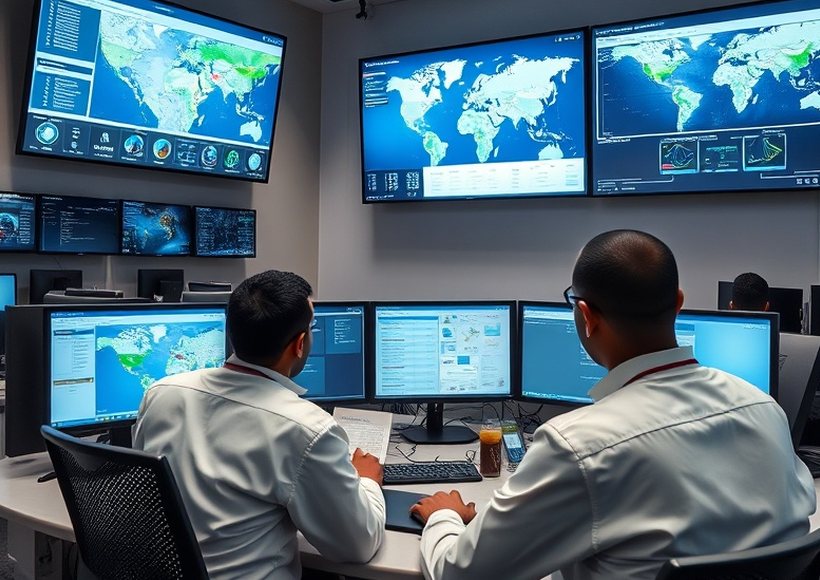
Why fleet-wide thresholds fail upcountry
Alerting rules are usually written against the best-connected sites and then applied everywhere. The result is a stream of false incidents from locations where a thirty-second gap in reporting is entirely normal, and the operators learn to discount alerts from those exact sites. Building a profile per location takes weeks and removes that failure mode permanently.
Which metrics matter across a self-service fleet
Availability per terminal, mean time to detect, mean time to resolve and repeat faults per module explain almost everything. If availability always drops at the same sites, the problem is usually load rather than the machine; if the same module keeps failing, it is a candidate for preventive replacement. Ranking the fleet by those numbers shows where investment actually reduces downtime. It is one of the questions branches ask us most often: stations across the country.
The morning peak tells you where to look
On station networks the early-morning window concentrates a large share of the day's transactions, so a terminal that fails at 05:50 costs far more than the same fault at midday. Watching that window closely, and escalating faster inside it, is a cheaper improvement than shortening response times across the whole day.